Dryer Vent Cleaning in New Castle County

Full-run lint removal that cuts a real fire risk, shortens drying cycles, and saves the machine — bookable with your annual sweep.

Call (302) 592-2196
Straight answers, fast scheduling, and a free estimate on every job.
Serving All of New Castle County
NFPA 211 Standard Inspections
Licensed & Insured Local Pros
Free Estimates

Two-Cycle Drying Means a Choked Vent

Get the full run cleaned — machine to exterior flap — and feel the difference on the next load. Call (302) 592-2196.

  • Full vent run, not just behind the machine
  • Rotary brush + negative-pressure vacuum
  • Airflow checked before and after
  • Bundle it with your chimney sweep visit

Dryer Vent Cleaning: The Fire Risk in the Laundry Room

Every load of laundry sends lint into the vent run, and lint is close to ideal fire fuel — fine, dry, fluffy, and sitting inside a heated metal duct. Failure to clean the vent is the leading factor in home dryer fires, which number in the thousands every year in the U.S. The fix is completely unheroic: a professional cleaning of the full vent run, once a year, with the same rotary-brush-and-vacuum method used on chimneys. Same tools, same trade, same visit if you like — book it with the annual sweep.
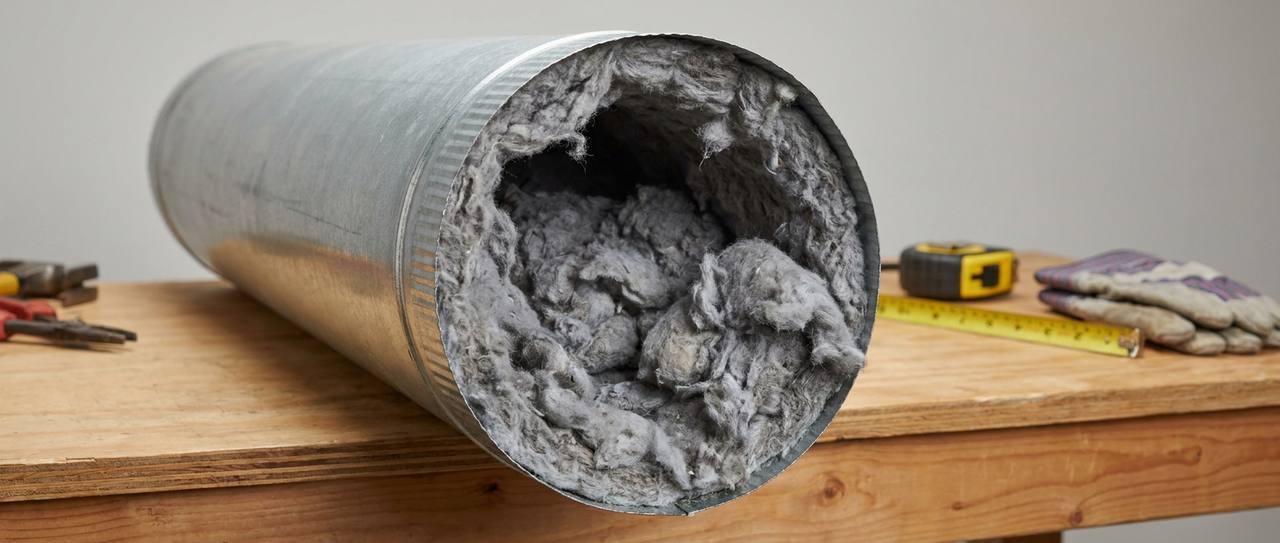
The Signs Your Vent Is Choking

Beyond the fire math, a restricted vent is just expensive: longer cycles burn more energy, and the extra heat is the number-one killer of dryer heating elements and thermostats. An annual cleaning typically pays for itself in run time alone.

What the Service Covers

The full run, not the first three feet: dryer connection, transition duct, the in-wall or in-ceiling run — where long runs and every 90-degree bend collect the worst packing — through to the exterior termination and its flap or screen. Airflow is checked before and after, so you can see the difference, and crushed or code-problem ducting (vinyl and foil flex duct behind a dryer is a known hazard) gets flagged honestly rather than reburied behind the machine.

One Visit, Two Fire Risks Handled

Chimney swept, dryer vent cleared — book them together and check both boxes for the year.

(302) 592-2196

Common questions

How often should a dryer vent be cleaned?

Once a year for most households — more often with heavy laundry loads, pets, long vent runs, or a dryer that's already showing the signs: clothes taking two cycles, a hot laundry room, or a burning smell.

Is dryer lint really a fire risk?

Yes — lint is fine, dry, and packed in a heated metal tube. Failure to clean the dryer and its venting is the leading factor in home dryer fires, and thousands happen every year in the U.S. It's the least glamorous fire prevention there is, and among the most effective.

Why does my dryer take two cycles to dry clothes?

Almost always airflow. A lint-restricted vent can't exhaust moist air, so the dryer runs longer, works hotter, and wears out sooner — while your energy bill quietly pays for every extra cycle. Cleaning the run restores the airflow the machine was designed around.

Do you clean the whole vent run or just behind the dryer?

The whole run — from the dryer connection through the wall, the full duct length, to the exterior termination, plus the termination flap itself. Lint packs at the bends and the exit; cleaning three feet behind the machine misses the actual blockage.

Why does a chimney company clean dryer vents?

Same skills, same tools, same fire-prevention job: rotary brushes, negative-pressure vacuums, and airflow diagnosis through a duct. Booking it with your annual chimney sweep gets both fire risks handled in one visit.

Tap to Call — (302) 592-2196